The Digital Triage: Why Integrated Self-Service Kiosks are the Future of Medical Administration
May 2, 2026 by Nick
In the high-stakes environment of modern healthcare, the reception desk is often the primary point of friction. Between emergency admissions, scheduled consultations, and a steady stream of pharmaceutical representatives and visiting family members, the administrative burden on front-of-house staff can be overwhelming. As patient volumes rise, the traditional “pen and paper” or manual check-in desk is becoming a bottleneck that impacts not just efficiency, but the overall quality of care.
The strategic implementation of self-care and visitor management kiosks is transforming this experience, moving medical facilities away from “waiting room fatigue” and toward a streamlined, digital-first workflow.
The Power of the First Touchpoint
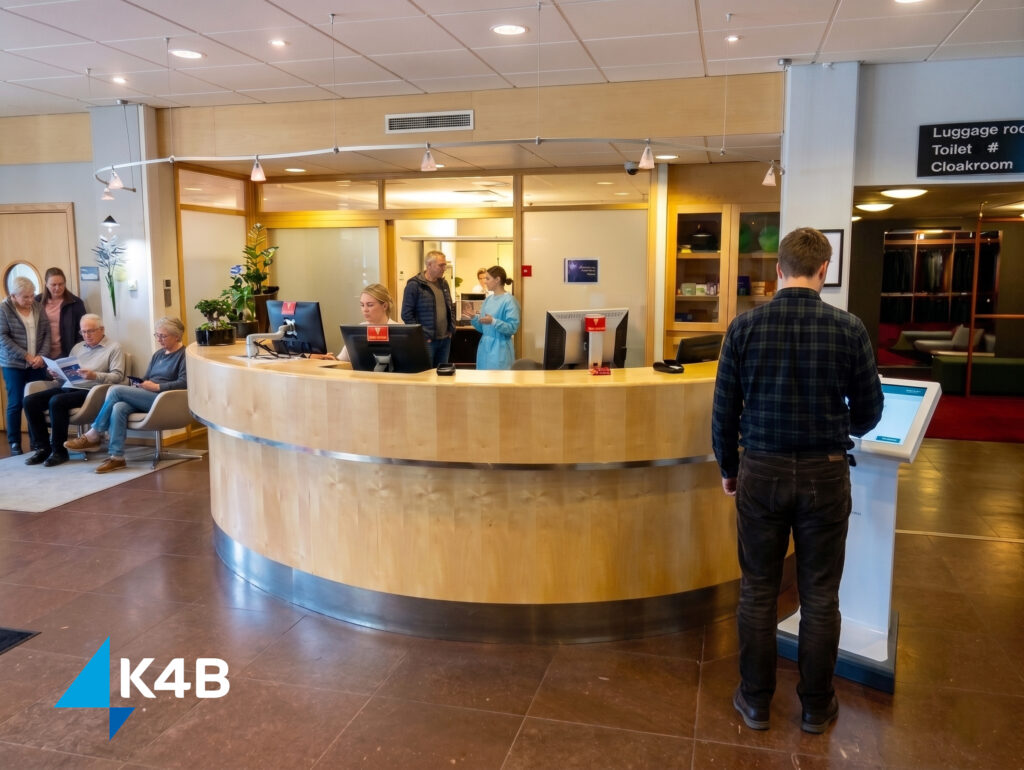
The primary challenge in a busy medical facility isn’t just the sheer volume of people; it’s the variety of their needs. A patient arriving for a diagnostic scan has entirely different requirements than a contractor arriving for scheduled maintenance or a relative visiting a specialized ward.
A sophisticated self-service solution acts as a digital triage for the lobby. By utilizing advanced software like the VisitLog system provided by K4B, facilities can automate the mundane tasks that eat up staff time. Instead of queuing to speak to a busy receptionist, visitors can self-register, sign necessary health and safety disclosures, and print their own identification badges in seconds. This doesn’t just save time – it enhances site security. In a medical setting, having a real-time, digital log of exactly who is on-site is a critical safety and compliance requirement.
Beyond Check-In: A Full-Circle Solution
A truly “great” software solution does more than just log a name; it integrates with the facility’s internal heartbeat. When a visitor or patient checks in via a kiosk, the system can automatically trigger SMS or email notifications to the relevant department or staff member. This ensures that the “waiting” part of the waiting room is kept to an absolute minimum, reducing patient anxiety and preventing overcrowded communal areas.
The beauty of these systems lies in their flexibility and the way they can be scaled to fit a specific budget or space. This is where providers like K4B offer a distinct advantage, providing a spectrum of implementations tailored to the healthcare sector:
- Full Integrated Solutions: This involves deploying high-end, ergonomic hardware – such as the sleek Eidos or Modus kiosk models – paired perfectly with the VisitLog software. This creates a “plug-and-play” reception overhaul that instantly modernizes the facility.
- Partial Implementations: For clinics that may already have certain hardware in place, K4B can provide the software-only solutions necessary to manage visitor flow, GDPR-compliant data capture, and emergency evacuation lists.
- Custom Hardware Development: Recognizing that medical spaces vary from sprawling hospitals to tiny specialist clinics, K4B offers the ability to customize the kiosk footprint to fit specific accessibility requirements or space constraints.
Enhancing Patient Privacy and Public Health
In a medical context, privacy is paramount. Self-service kiosks allow patients to input sensitive information, such as appointment types or personal details, discreetly. This reduces the need to disclose personal information within earshot of a crowded waiting area, helping facilities maintain high standards of patient confidentiality.
Furthermore, from a public health perspective, reducing physical congestion at a central reception desk minimizes unnecessary person-to-person contact. By spreading out the check-in process across multiple kiosks, facilities can better manage social distancing and hygiene—a lesson that has become a permanent priority for healthcare administrators.
The Bottom Line: Care over Paperwork
The transition to self-care kiosks is not about replacing the human element of healthcare; it is about liberating it. When the administrative “noise” of checking in visitors and patients is handled by a robust, automated system, medical staff are freed from the screen and the phone. They can return to what they do best: providing high-quality care and support to those who need it most.
Whether through a full-scale hardware deployment or a targeted software integration, the goal of a K4B solution is the same: to create a calmer, more professional, and highly efficient environment where the focus remains on health, not hurdles.
Written by

Nick
You may also interested in:
Every Second Counts: How K4B Visitor Management Kiosks Deliver One-Click Emergency Evacuation Lists
When an emergency alarm sounds in a busy facility, the most critical question appointed fire marshals face is immediate and urgent: Who is currently in the building? While permanent staff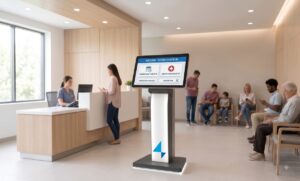
Beyond the Clipboard: Why Modern Clinics Are Moving to Self-Service Patient Intake
Every morning in busy medical practices and outpatient centers, the same scenario plays out: patients queue at the front desk, balancing clipboards, insurance cards, and pens, while administrative staff manually
The Zero-Risk Clinic: Swiftqueue-Integrated Kiosks Solve the NHS Compliance Minefield
Self service automation is no longer a luxury for UK blood, radiology and other test clinics – its a fundamental necessity. With patient numbers rising clinic and practice managers need
How the Right Visitor Management Kiosk Creates Unexpected Business Value
In a busy office block, factory, conference centre, hospital etc. managing the people coming into the building is a significant task. Before the K4B Visitlog solution, a delegation of receptionists
How Clinics Can Reduce Patient Waiting Times Without Hiring More Staff
Walk into almost any busy GP surgery or clinic at peak time and you’ll see the same thing: a full waiting room, a queue forming at reception, phones ringing, and
How Much Does a Self-Service Kiosk Actually Save?
For many businesses considering automation, the first question is simple: does a self-service kiosk actually save money? The short answer is yes – often far more than expected. But the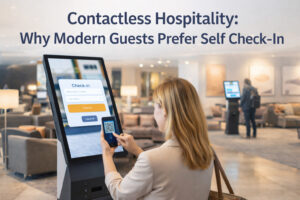
Contactless Hospitality:
Why Modern Guests Prefer Self Check-In
The hospitality industry has changed dramatically in the last few years. Guest expectations have evolved. Technology has matured. Labour costs have risen. And the demand for speed, convenience and privacy
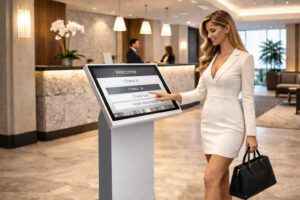
What to Look for When Choosing a Business Kiosk
(Avoid These Costly Mistakes) When businesses choose a kiosk, the decision often starts with hardware: screen size, price, specifications. That approach is where most mistakes begin. In reality, the success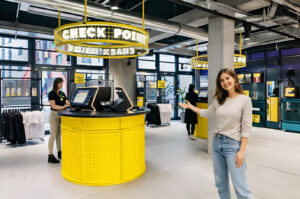
The Hidden ROI of Self-Service Kiosks
What Most Businesses Don’t Calculate When businesses assess self-service kiosks, the calculation is usually simple: hardware cost vs. staff savings. That view misses the bigger picture. In reality, most of